How to Recognize Toenail Fungus

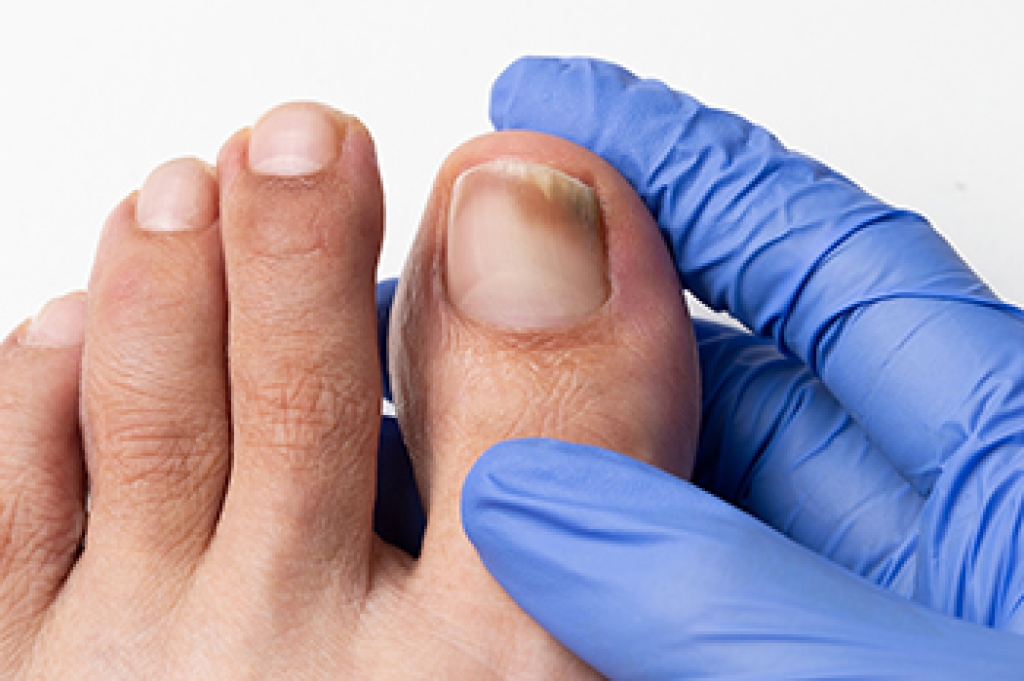
Toenail fungus often begins with small changes that are easy to miss. A common early sign includes a white, yellow, or brown spot near the tip of the toenail. The nail may also look dull, become thicker, or start to feel brittle and weak. As the infection spreads, the nail can separate from the skin underneath, which may cause discomfort when walking or wearing shoes. In some cases, debris can build up under the nail, and the nail may develop an unpleasant odor. Toenail fungus is more likely to develop in warm, moist places and can happen after nail injuries or from wearing tight shoes . A podiatrist can examine the nail, confirm if fungus is present, and provide treatment that includes trimming damaged nail tissue and prescribing antifungal medicine to stop the infection from spreading. If you have symptoms of toenail fungus, it is suggested that you schedule an appointment with a podiatrist for a diagnosis and appropriate treatment.

If left untreated, toenail fungus may spread to other toenails, skin, or even fingernails. If you suspect you have toenail fungus it is important to seek treatment right away. For more information about treatment, contact one of our podiatrists of North Eastern Ohio Podiatry Group LLC. our doctors can provide the care you need to keep you pain-free and on your feet.

Symptoms

  • Warped or oddly shaped nails
  • Yellowish nails
  • Loose/separated nail
  • Buildup of bits and pieces of nail fragments under the nail
  • Brittle, broken, thickened nail

Treatment

If self-care strategies and over-the-counter medications does not help your fungus, your podiatrist may give you a prescription drug instead. Even if you find relief from your toenail fungus symptoms, you may experience a repeat infection in the future.

Prevention

In order to prevent getting toenail fungus in the future, you should always make sure to wash your feet with soap and water. After washing, it is important to dry your feet thoroughly especially in between the toes. When trimming your toenails, be sure to trim straight across instead of in a rounded shape. It is crucial not to cover up discolored nails with nail polish because that will prevent your nail from being able to “breathe”.

In some cases, surgical procedure may be needed to remove the toenail fungus. Consult with your podiatrist about the best treatment options for your case of toenail fungus.  

If you have any questions please contact our offices located in Willoughby Hills, Euclid, and Beachwood, OH . We offer the newest diagnostic and treatment technologies for all your foot and ankle needs.

Read more about How to Treat Your Toenail Fungus

Foot Wound Healing and How to Support It

Foot wounds can heal well with the right care and attention. Healing happens in stages. First is inflammation, when the body works to stop bleeding and prevent infection. Next is the rebuilding phase, where new tissue and blood vessels form. The final stage is remodeling, when the skin strengthens and returns closer to normal. Several factors can slow healing. Poor circulation, diabetes, infection, and pressure on the wound can all interfere. Smoking and poor nutrition may also delay progress. Keeping the wound clean, protected, and offloaded is important for recovery. Early care and checkups can help prevent complications and support healing. Watch for signs like increased redness, swelling, drainage, or pain. If healing seems slow or symptoms worsen, it is suggested you schedule an appointment with a podiatrist for a proper diagnosis and appropriate treatment.

Wound care is an important part in dealing with diabetes. If you have diabetes and a foot wound or would like more information about wound care for diabetics, consult with one of our podiatrists from North Eastern Ohio Podiatry Group LLC. our doctors will assess your condition and provide you with quality foot and ankle treatment.

What Is Wound Care?

Wound care is the practice of taking proper care of a wound. This can range from the smallest to the largest of wounds. While everyone can benefit from proper wound care, it is much more important for diabetics. Diabetics often suffer from poor blood circulation which causes wounds to heal much slower than they would in a non-diabetic. 

What Is the Importance of Wound Care?

While it may not seem apparent with small ulcers on the foot, for diabetics, any size ulcer can become infected. Diabetics often also suffer from neuropathy, or nerve loss. This means they might not even feel when they have an ulcer on their foot. If the wound becomes severely infected, amputation may be necessary. Therefore, it is of the upmost importance to properly care for any and all foot wounds.

How to Care for Wounds

The best way to care for foot wounds is to prevent them. For diabetics, this means daily inspections of the feet for any signs of abnormalities or ulcers. It is also recommended to see a podiatrist several times a year for a foot inspection. If you do have an ulcer, run the wound under water to clear dirt from the wound; then apply antibiotic ointment to the wound and cover with a bandage. Bandages should be changed daily and keeping pressure off the wound is smart. It is advised to see a podiatrist, who can keep an eye on it.

If you have any questions please contact our offices located in Willoughby Hills, Euclid, and Beachwood, OH . We offer the newest diagnostic and treatment technologies for all your foot and ankle needs.
Read more about Wound Care

Understanding Haglund’s Deformity and Its Treatment Options

Haglund’s deformity is a bony bump that forms on the back of the heel near where the Achilles tendon attaches. This prominence can rub against shoes, especially those with stiff backs, causing irritation, redness, and pain. Over time, it may also lead to inflammation in nearby tissues, making walking uncomfortable. Other conditions can feel very similar and are sometimes confused with this issue. These include irritation of the Achilles tendon, inflammation of the fluid-filled sac near the heel, or general overuse injuries. Because symptoms overlap, proper evaluation is important to confirm the cause of pain. Treatment often begins with simple changes like wearing softer shoes, using padding, adding heel lifts, and doing stretching exercises. If discomfort continues despite these efforts, a minor surgical procedure to remove the extra bone may be considered. If heel pain is limiting your daily activities, it is suggested that you schedule a visit with a podiatrist for a proper diagnosis and appropriate treatment.

Many people suffer from bouts of heel pain. For more information, contact one of our podiatrists of North Eastern Ohio Podiatry Group LLC. our doctors can provide the care you need to keep you pain-free and on your feet.

Causes of Heel Pain

Heel pain is often associated with plantar fasciitis. The plantar fascia is a band of tissues that extends along the bottom of the foot. A rip or tear in this ligament can cause inflammation of the tissue.

Achilles tendonitis is another cause of heel pain. Inflammation of the Achilles tendon will cause pain from fractures and muscle tearing. Lack of flexibility is also another symptom.

Heel spurs are another cause of pain. When the tissues of the plantar fascia undergo a great deal of stress, it can lead to ligament separation from the heel bone, causing heel spurs.

Why Might Heel Pain Occur?

  • Wearing ill-fitting shoes                
  • Wearing non-supportive shoes
  • Weight change           
  • Excessive running

Treatments

Heel pain should be treated as soon as possible for immediate results. Keeping your feet in a stress-free environment will help. If you suffer from Achilles tendonitis or plantar fasciitis, applying ice will reduce the swelling. Stretching before an exercise like running will help the muscles. Using all these tips will help make heel pain a condition of the past.

If you have any questions, please feel free to contact our offices located in Willoughby Hills, Euclid, and Beachwood, OH . We offer the newest diagnostic and treatment technologies for all your foot care needs.

Read more about Heel Pain

Ankle Fracture? Don’t Wait for Treatment

If you're suffering from an ankle fracture, professional attention shouldn't wait. Fractures may worsen over time and can make completing everyday activities incredibly difficult. See your specialist for treatment and guidance through the healing process. 

Defining Gout and Its Symptoms

Gout is a painful form of arthritis that often affects the big toe, although it can also involve the ankle or other joints in the foot. It develops when uric acid builds up in the body and forms sharp crystals inside a joint. A gout attack may begin suddenly, often at night, with intense pain, redness, swelling, and warmth. The joint may look shiny, swollen, and very tender, and even light pressure from a sheet or shoe can feel severe. Triggers include certain foods, alcohol, dehydration, medical conditions, or a family history of gout. A podiatrist can often recognize the signs of gout during an exam, and may recommend imaging or lab testing to help confirm the diagnosis. Treatment options include anti-inflammatory medication, footwear guidance, joint protection, and coordination with your other doctors to help manage uric acid levels and prevent future attacks. If you have gout, it is suggested that you are under the care of a podiatrist who can help you to manage this painful condition.

Gout is a foot condition that requires certain treatment and care. If you are seeking treatment, contact one of our podiatrists from North Eastern Ohio Podiatry Group LLC. our doctors will treat your foot and ankle needs.

What Is Gout?

Gout is a type of arthritis caused by a buildup of uric acid in the bloodstream. It often develops in the foot, especially the big toe area, although it can manifest in other parts of the body as well. Gout can make walking and standing very painful and is especially common in diabetics and the obese.

People typically get gout because of a poor diet. Genetic predisposition is also a factor. The children of parents who have had gout frequently have a chance of developing it themselves.

Gout can easily be identified by redness and inflammation of the big toe and the surrounding areas of the foot. Other symptoms include extreme fatigue, joint pain, and running high fevers. Sometimes corticosteroid drugs can be prescribed to treat gout, but the best way to combat this disease is to get more exercise and eat a better diet.

If you have any questions, please feel free to contact our offices located in Willoughby Hills, Euclid, and Beachwood, OH . We offer the newest diagnostic and treatment technologies for all your foot care needs.

Read more about Everything You Need to Know About Gout

Connect With Us

scroll to top