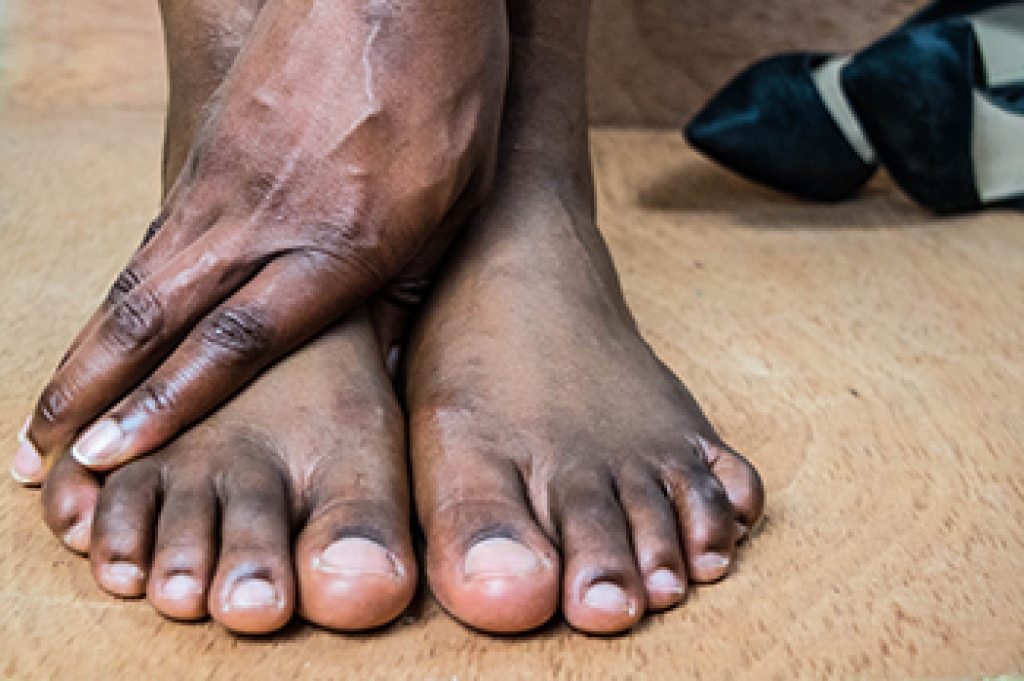
Some genetic disorders can influence the way bones, joints, and connective tissues develop in the feet. Because the feet contain many small bones and joints, inherited conditions may change their shape, alignment, or flexibility. Achondroplasia, a common form of dwarfism, affects bone growth and may lead to changes in leg alignment that place extra stress on the feet and ankles during walking. Ellis van Creveld syndrome is a rare genetic condition that can cause short limbs and sometimes extra toes, which may affect balance and shoe fit. Marfan syndrome affects the body’s connective tissue and often leads to long, flexible feet with loose joints that can increase the risk of ankle instability. These structural differences may lead to discomfort, fatigue, or changes in walking over time. When unusual foot structure or persistent pain develops, it is suggested that you see a podiatrist for a proper diagnosis and appropriate treatment.
Some foot conditions may require additional professional care. If you have any concerns, contact Dr. Vadim Glukh, DPM of North Eastern Ohio Podiatry Group LLC. our doctor can provide the care you need to keep you pain-free and on your feet.
Rare Foot Conditions
The majority of foot conditions are common and can be treated by a podiatrist. Standard diagnostic procedures are generally used to identify specific conditions and treatment can be rendered. A podiatrist also treats rare foot conditions which can be difficult to diagnose and may need extra attention and care.
There are many rare foot conditions that can affect children. Some of these can include:
- Freiberg’s disease
- Kohler’s disease
- Maffucci syndrome
Freiberg’s disease - This can be seen as a deterioration and flattening of a metatarsal bone that exists in the ball of the foot. It typically affects pre-teen and teenage girls, but can affect anyone at any age. Symptoms that can accompany this can be swelling, stiffness, and the patient may limp.
Kohler’s disease - This often targets the bone in the arch of the foot and affects younger boys. It can lead to an interruption of the blood supply which ultimately can lead to bone deterioration. The patient may limp or experience tenderness, swelling, and redness.
Maffucci syndrome - This affects the long bones in a child’s foot leading to the development of abnormal bone lesions. They are benign growths and typically develop in early childhood and the bones may be susceptible to breaking.
A podiatrist can properly diagnose and treat all types of rare foot conditions. If your child is affected by any of these symptoms or conditions, please don’t hesitate to call our office so the correct treatment method can begin.
If you have any questions, please feel free to contact our offices located in Willoughby Hills, Euclid, and Beachwood, OH . We offer the newest diagnostic and treatment technologies for all your foot care needs.
